

Case study
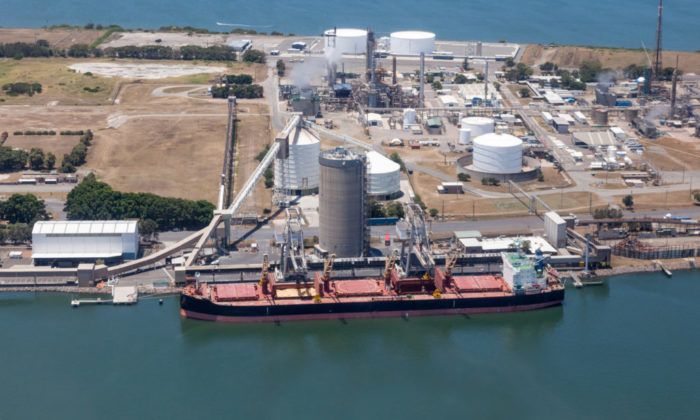
Promoting efficient pricing for shipping channel services at Newcastle Port
Synergies, acting on behalf of Glencore prepared a series of submissions in 2018 and 2019 setting out the economic rationale for continued declaration of Newcastle Port’s shipping channel. Glencore, is a major user of shipping channel services at Newcastle as a major coal producer and exporter in the Hunter Valley. As such Glencore depends on access to the shipping channel based on reasonable terms and conditions.

Case study
The value of investing in R&D for the WA sheep industry
The WA sheep industry makes a significant contribution to the State’s economy, and has experienced a resurgence in recent years on the back of strong wool prices and productivity gains, particularly in lamb meat production. At present, the industry generates approximately $1.25 billion in sales and employs around 5000 people directly, with a further 1, 350 indirect jobs. But the industry is facing challenges and will need to maintain it’s productivity growth trajectory to remain ...
Case study
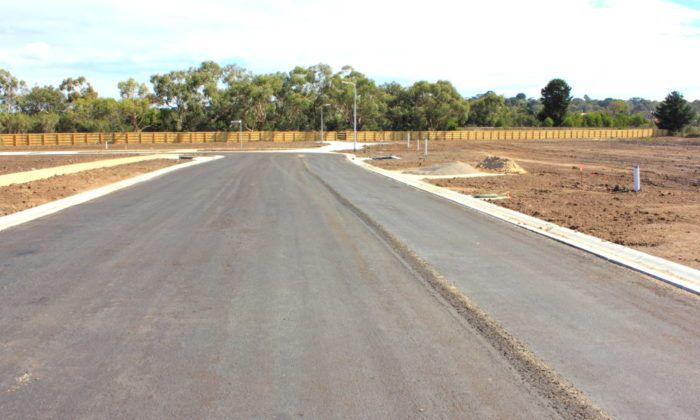
Economic benefits of strategic environmental assessment for Perth-Peel region
Over the next 30 years, around 18, 000 hectares of native vegetation is expected to be cleared in metropolitan Perth to accommodate the state’s growing population. In order to improve the level of protection afforded to the environment, while ensuring economic development can proceed, the WA State Government has commenced work on preparing a Strategic Assessment for the Perth-Peel Region (SAPPR). Synergies was engaged to assist with evaluating the costs and benefits of the proposed ...

Case study
Economic impact of the WA Biodiversity Science Institute
The Western Australian Biodiversity Science Institute (WABSI) was established by the WA government in 2015 to perform the role of a ‘science broker’, with the purpose fostering greater collaboration in finding practical, strategic solutions to the State’s biodiversity management challenges. WABSI’s stakeholders include the mining industry, government, researchers and non-government organisations. Synergies was engaged by the WABSI board to prepare an independent review of the value and impact of the Institute over the past four ...

Case study
The economics of responding to drought in Greater Sydney
Sydney Water engaged Synergies to develop an economic framework for quantifying the risks, costs and benefits of a drought management strategy for Greater Sydney. The framework examines the optimal sequence of new water supply projects as Sydney’s storage levels drop. The optimal strategy is one that avoids the risk of storages falling below critical levels (and triggering the need for very significant water restrictions), while minimising the cost of investing in capital projects that may ...

Case study
Please hold: costing telco customer wait times
Synergies was engaged by the Australian Communications Consumer Action Network (ACCAN) for advice on estimating the value of consumers’ time wasted (“time forgone”) trying to resolve customer service issues and the cost to consumers of intermittent or delayed supply (“reliability”). The aim of the advice was to provide an evidence base and a source of practical guidance on matters including how to apply non-market valuation techniques in the telecommunications context and the strengths and limitations ...
Case study
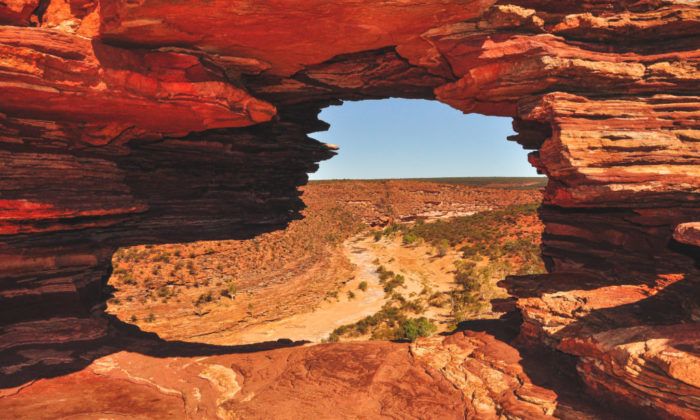
Evaluating ‘Royalties for Regions’ investment in WA tourism projects
Over the past 10 years, Royalties for Regions (RfR) has provided $208 million in funding for regional tourism projects in Western Australia, with a wide diversity of projects being funded across nine development regions. Synergies undertook an evaluation to provide insight to the extent to which the RfR investments have contributed to economic growth and what factors need to be considered for future public investment in regional tourism.
Case study
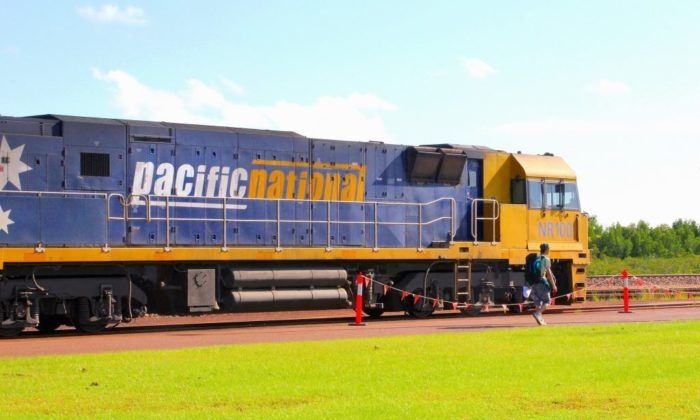
Assessing intermodal competition in non-bulk freight transport
Euan Morton of Synergies was engaged as an independent economic expert by Clayton Utz (representing Pacific National (PN)), in court proceedings initiated by the Australian Competition and Consumer Commission (ACCC) who alleged that PN’s proposed acquisition of Aurizon’s intermodal business would substantially lessen competition in the transportation of non-bulk freight.
Synergies examined the relevant market(s) for intercity non-bulk freight services and the effectiveness of road and rail competition and, in particular, the influence of ...
Case study
Peer Review of the Economic Analysis of the Nullinga Dam Preliminary Business Case
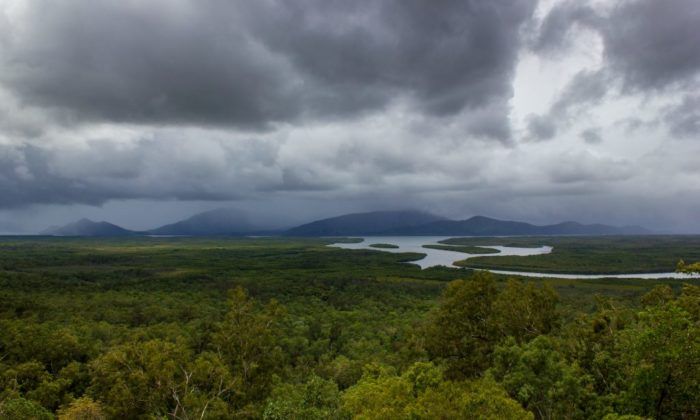
Synergies was engaged by Building Queensland to undertake a peer review of the economic analysis conducted as part of the Preliminary Business Case (PBC) for the proposed Nullinga Dam. The PBC identified an opportunity to expand irrigated agricultural production in the Atherton Tablelands through the supply of medium priority water entitlements from the proposed dam. The report presented to Building Queensland identified critical issues in relation to both the water demand assessment and economic analysis.
...
Case study
Economic, financial and social impacts of the Subiaco East redevelopment project
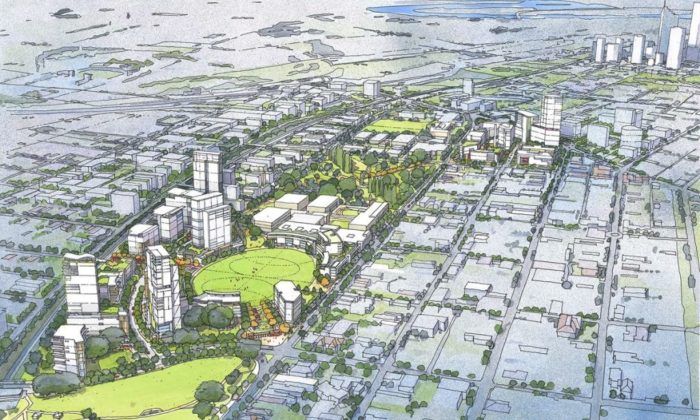
LandCorp engaged Synergies to assess the economic, financial and social impacts of a range of concept plans for the Subiaco East redevelopment project, which focused on the redevelopment of key sites marked for demolition and decommissioning into a vibrant, mixed-use city village. Synergies’ analysis informed decisions around the preferred concept plan based on a range of criteria. A preferred option was recommended for approval as part of the submission of the Detailed Business Case to ...

Case study
Modelling urban public transport expenditure levels
Synergies, in collaboration with Jacobs, was engaged by the Commonwealth Grants Commission (CGC) to review and improve the model currently used to determine State urban transport and infrastructure expenditure requirements. The model we proposed will help form the basis for the future allocation of transport-related GST funds. The report was recently published on the CGC website and can be downloaded below.
Case study
Independent verifier of Transpower’s RCP3 expenditure proposal
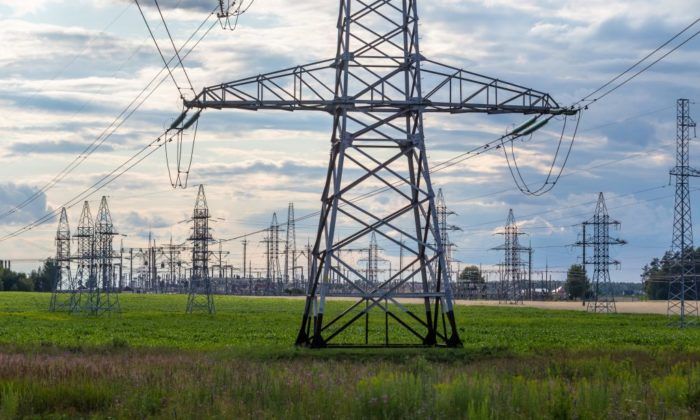
Synergies (in partnership with GHD Advisory) was engaged by Transpower to provide an independent verification opinion on Transpower’s third regulatory control period (RCP3) base capital expenditure and operating expenditure forecasts relating to the 2020-25 period. This included testing the assumptions underpinning Transpower’s expenditure and demand forecasts prior to the submittal of its RCP3 proposal, as well as making recommendations to enhance the substantiation of specific components of its expenditure proposal.

Case study
Assessing the Economic Value of Bulk Water Infrastructure in Regional Queensland
Synergies was engaged by Queensland Treasury Corporation (QTC), on behalf of the Department of Natural Resources, Mines and Energy (NRME), to develop a methodology to assess the economic value derived from the productive use of water from bulk water infrastructure in regional Queensland. The methodology was also applied to two water supply schemes – the Proserpine River and Nogoa Mackenzie Water Supply Schemes.

Case study
Assessing the economic benefits of the QUT Health and Wellness Precinct
Synergies was engaged by the Queensland University of Technology (QUT) to assess the economic benefits of the proposed QUT Health and Wellness Precinct, which will be designed to operate as a hub of excellence for translational research, innovation, teaching and learning with a strong focus on evolving technology. The project involved assessing the economic benefits of several programs and initiatives that are similar to the activities to be conducted within the Precinct in addition to ...
Case study
Assessing the economic benefits of restoring the historic Esperance Tanker Jetty
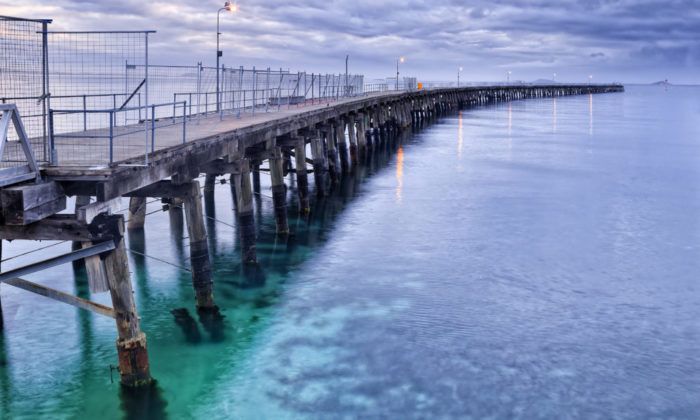
The Shire of Esperance is examining options for replacing the 80-year-old Esperance Tanker Jetty, which is currently in a dilapidated state. Synergies, in partnership with Whitney Consulting, was engaged by the Shire to prepare a cost benefit analysis as part of a business case for restoring the structure, with consequent tourism and amenity benefits for Esperance. The Shire used the business case and supporting analysis to apply for funding from the Australian Government’s Building Better ...
Case study
The economics of options for managing groundwater in Perth’s Gnangara area
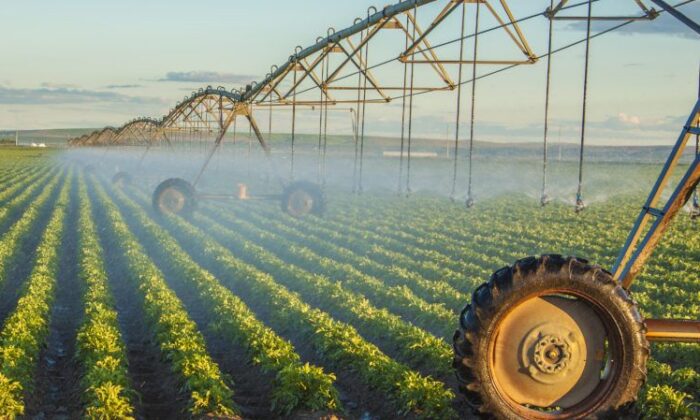
The Gnangara Mound just north of Perth is an important source of groundwater for public water supply, agriculture, and other users. Groundwater levels have been falling over the last 20 years or due to declining rainfall, increased groundwater abstraction in line with population growth, and the impact of pine plantations in the area that use considerable volumes of water. Synergies was engaged by the Department of Water and Environmental Regulation (DWER) to quantify the economic ...

Case study
The Economic Impact of Robotics and Automation
Synergies investigated the implications of robotics and automation for the Queensland economy for the Queensland University of Technology (QUT). The report comprehensively surveyed the international experience of increased automation and found that the Queensland economy was particularly well placed to adapt to and benefit from increased automation.
Case study
Economic evaluation of the Burnett River to Howard Water Supply Pipeline Project
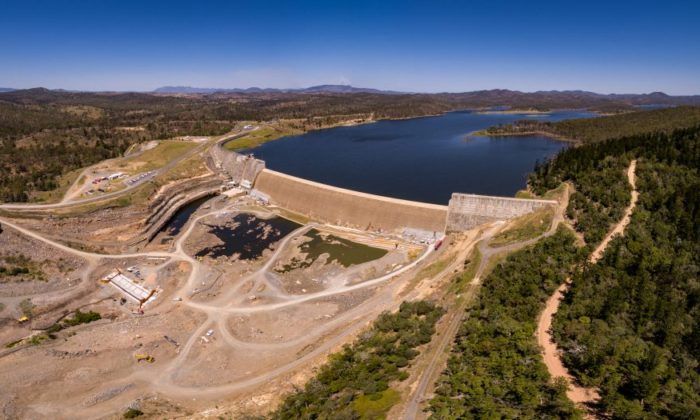
Synergies was engaged by the Department of State Development, Manufacturing, Infrastructure and Planning (DSDMIP) to conduct the economic analysis of the Burnett River (Paradise Dam) to Howard Water Supply Pipeline Project (the Burnett River pipeline project) in accordance with the requirements for a Preliminary Evaluation as set out in the Queensland Government’s Project Assessment Framework.

Case study
Mapping short to medium term shifts in the structure of labour markets
Synergies was engaged by Jobs Queensland to investigate the short to medium term shifts in the structure of labour markets in Queensland and Queensland regions, concentrating upon likely shifts in industrial and occupation employment. Results from the shift-share analysis and regional modelling were to be used by Jobs Queensland to inform labour market scenarios in upcoming detailed investigations.
Case study
Assessing the economic benefits and costs of regulation in Australia’s sugar industry
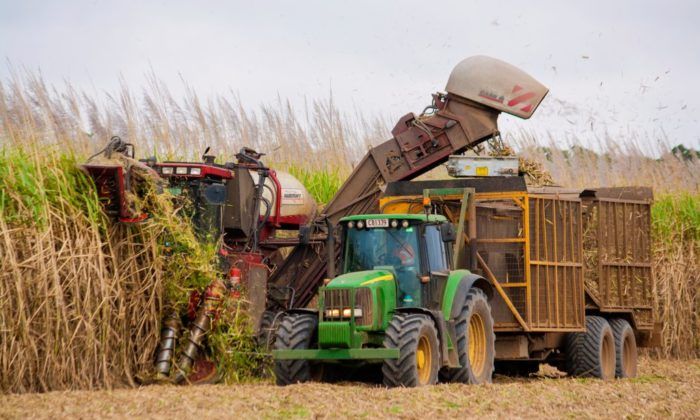
Synergies was engaged by Canegrowers and the Australian Cane Farmers Association (ACFA) to assess the economic benefits and costs of the Competition and Consumer (Industry Code – Sugar) Regulations 2017 (the Code). The project included a detailed assessment of the sugar industry, the conduct of its participants and the rationale for light-handed regulation of the marketing of raw sugar. The project assessed the Code’s impact on the industry since its implementation in 2017 and the ...

Case study
ATCO’s proposed Network Innovation Scheme
Synergies was engaged by ATCO Gas (ATCO) to prepare an expert report establishing the economic case for an innovation incentive scheme – the Network Innovation Scheme – to be incorporated into its proposed access arrangement to the WA Economic Regulation Authority (ERA) for the 2020 to 2024 regulatory period. The proposed Network Innovation Scheme was intended to be in the long-term interests of WA gas consumers through encouraging ATCO Gas to seek out new and ...

Case study
Reviewing Sydney Water’s obligations to service wholesale customers
In 2006 the NSW government introduced new legislation to facilitate competition in the provision of water and wastewater services. Since that time, a number of independent water utilities have emerged. These utilities can, and do, compete with Sydney Water in delivering services to retail customers. In this study, Synergies was engaged by the NSW Independent Pricing and Regulatory Tribunal (IPART) to examine whether there should be any specific obligations imposed on Sydney Water to ensure ...
Case study
Commercial feasibility of recycled wastewater for industrial supply in WA’s Western Trade Coast
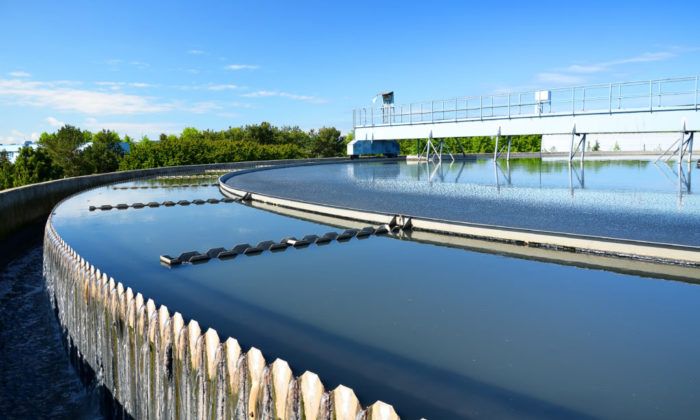
The Western Trade Coast (WTC) is a 3, 900 hectare industrial region adjacent to Cockburn Sound, just south of Fremantle in Western Australia. Planning provisions have been made to accommodate the development of new heavy industry in the region. Over the next 10 years it is forecast that an additional 6.4 gigalitres of water will be required to support the growing needs of industry. This level of demand is expected to exhaust all remaining ‘in ...
Case study
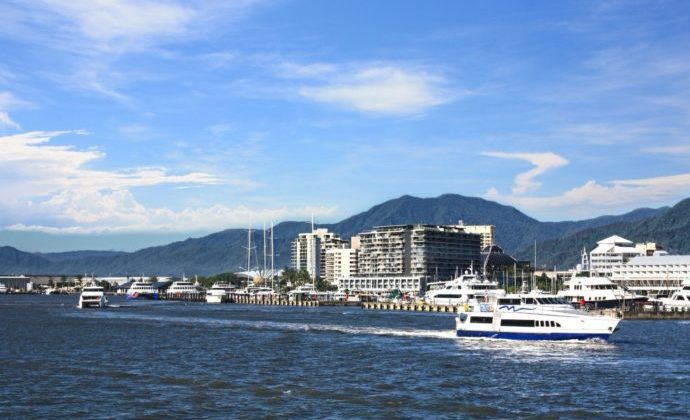
Cairns shipping development and improved port efficiency
Synergies was engaged by Building Queensland to conduct a peer review of a demand assessment and economic analysis for input into a Detailed Business Case to support infrastructure development at the Port of Cairns. A strong Business Case was crucial in securing government approval and funding that has resulted in the Port of Cairns now being better equipped to accommodate and welcome the anticipated relaunch of cruising
Case study
Assessing the feasibility of the NuWater project
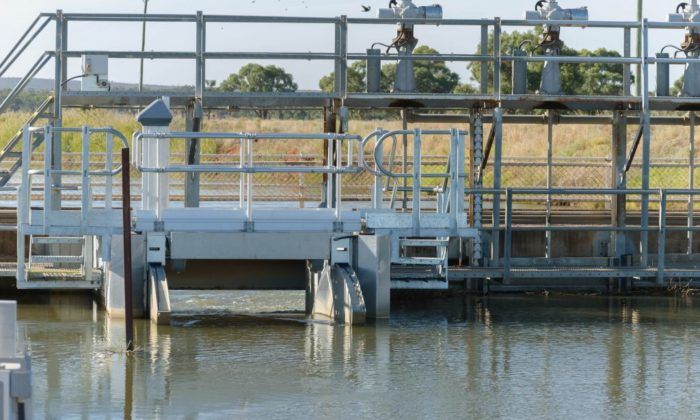
Synergies was engaged by the Queensland Farmers’ Federation (QFF) to undertake a water demand assessment and to assess the economic and financial and commercial feasibility of the NuWater project – a proposal to supply recycled wastewater from treatment plants in South East Queensland to agricultural producers in the Lockyer Valley and on the Darling Downs.

Case study
Economic and financial viability of wastewater recycling options for Perth’s north east corridor
This project assessed the economic and financial viability of a number of different options for supplying non-potable water to Perth’s north east corridor. This is a mixed rural-residential area on the fringe of Perth that is experiencing increasing demand for water as new residential estates are developed, while at the same time being confronted with depleting groundwater due to climate change. The Department of Water and Environmental Regulation (DWER) engaged Synergies to assess whether there ...
Case study
Regulatory assistance in rail access
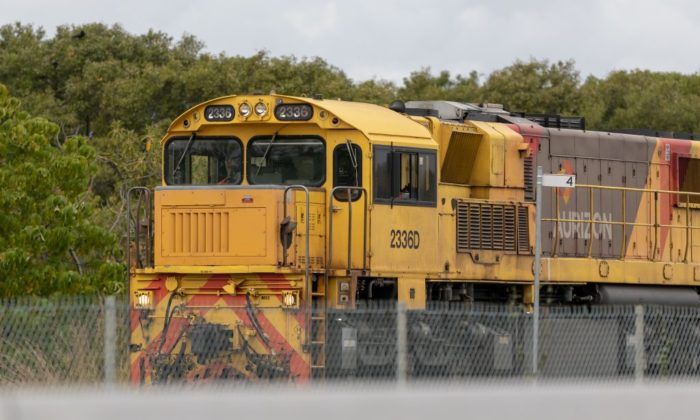
In 2018, Synergies was a key economic advisor to Australia’s leading rail infrastructure company (Aurizon Network) for the preparation of its regulatory submission responding to the Queensland Competition Authority’s ‘UT5’ draft decision. The QCA’s draft decision signalled that the regulator was unlikely to approve Aurizon Network’s proposed prices for access to the Central Queensland Coal Network (CQCN), on the basis that costs, and thus prices should be lower. Aurizon Network did not support the QCA’s ...
Case study
Economic needs assessment of a proposed new landfill facility
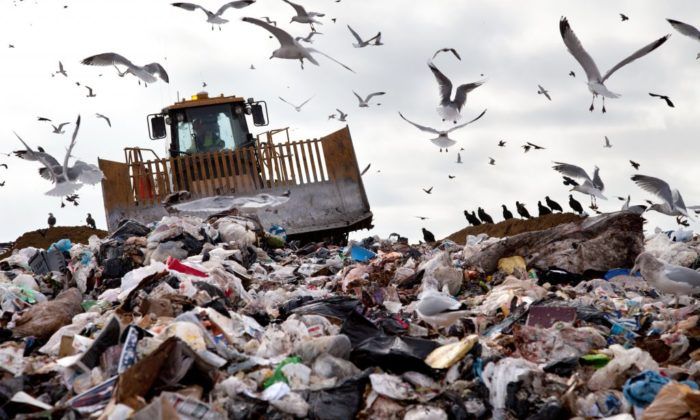
Synergies was engaged by Lantrak to undertake an economic needs assessment of its proposal to develop a new landfill facility at Jeebropilly in the Ipswich City Council region. The objective was to prepare a report as an attachment to the development application, assessing the need for future landfill disposal capacity in Ipswich as well as the broader southeast Queensland (SEQ) region

Case study
Options for an energy efficiency scheme in WA
The cost of household energy bills in Western Australia has increased substantially over the past decade and is forecast to keep rising, driven by projected increases in electricity prices above the rate of inflation. This is contributing to pressures on household budgets, particularly those on low incomes. Government programs to assist low income households improve their energy efficiency is one means of addressing rising electricity prices and the financial hardship caused. The WA Public Utilities ...
Case study
Economic conditions and transport demand
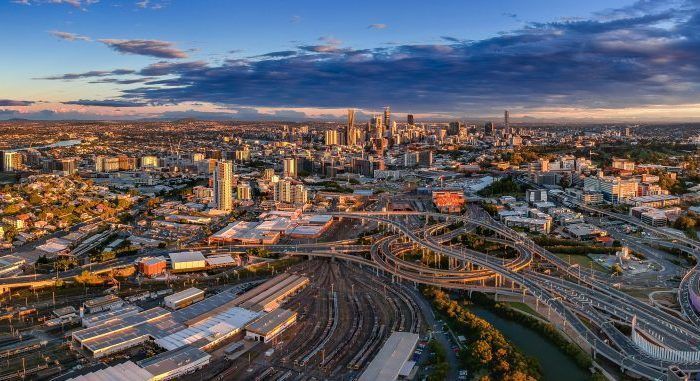
Synergies was engaged by MolinoCahill to provide an independent expert report regarding the current and forecast economic conditions applicable when ARUP prepared its patronage forecasts for the Airport Link toll road in 2008, and how actual economic conditions varied from the forecasts as a result of the GFC.